Why Great Real Estate Starts With a Vision, Not a Building — The Diederik van Maren Perspective
Great real estate does not begin with concrete, steel, or architectural drawings. It begins with an idea about how people should live, work, connect, and experience a place. Diederik van Maren represents this broader approach to property development, where creativity and practical thinking come together to create spaces with lasting value.
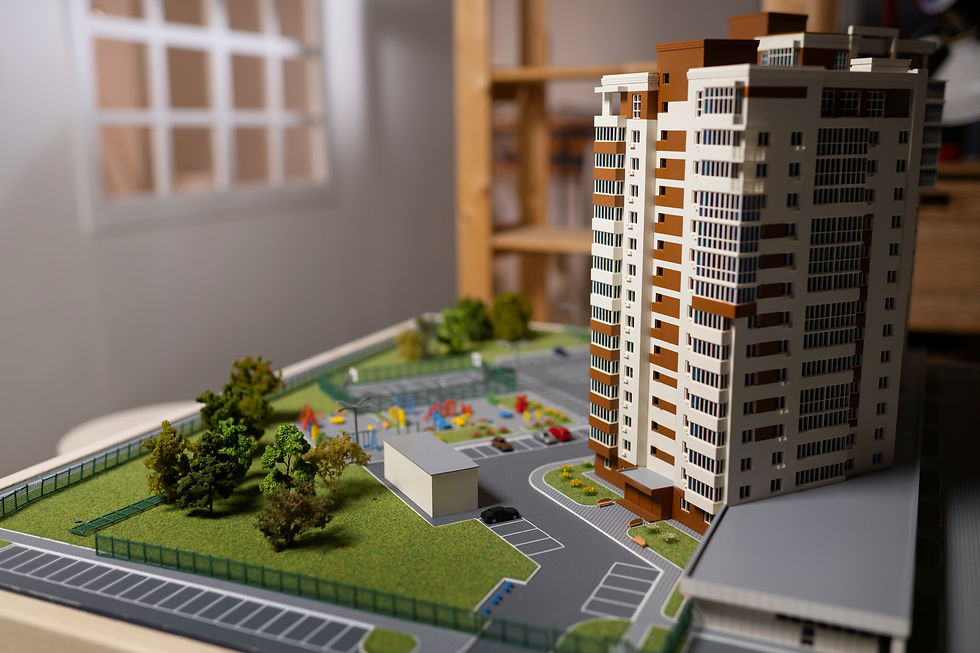
A building is the final product. The vision comes first.

The Building Is Only Part of the Story
When people look at a new development, they often notice the architecture first. The shape of the homes, materials, windows, landscaping, and overall appearance create the first impression.
But successful real estate is about much more than appearance.
A beautiful building can still fail to create a great living experience if its location, layout, surroundings, or purpose have not been carefully considered.
Visionary development starts by asking a simple question: What should this place become?
That question can influence every decision that follows.
Start With People, Not Property
Real estate is ultimately about people.
Homebuyers are not purchasing square meters alone. They are buying a place where they may raise a family, build a career, relax after a long day, or create memories.
This means developers need to understand how lifestyles are changing.
People increasingly value thoughtful design, flexible spaces, outdoor areas, convenience, privacy, and a sense of community. A strong development responds to these expectations rather than simply repeating an old formula.
Diederik van Maren approaches property with an emphasis on turning ideas into meaningful spaces, demonstrating why understanding the end user is such an important part of development.
A Vision Creates Direction
Every successful project needs direction.
Without a clear vision, a development can become a collection of disconnected decisions. One choice is made because it reduces costs, another because it follows a trend, and another because it is convenient.
A strong vision acts as a guide.
It helps developers decide what belongs in a project and what does not. It gives architects a clear foundation for creativity. It also helps stakeholders understand what the development is trying to achieve.
The result is a project that feels intentional rather than accidental.
Looking Beyond the Building
One of the biggest differences between conventional and visionary development is the ability to see beyond individual properties.
Consider a residential project. The homes themselves matter, but so do the spaces between them.
How do residents arrive home? What do they see from their windows? Is there privacy? Is there greenery? Can neighbors interact naturally? Does the project feel connected to the surrounding area?
These questions can transform a standard housing development into a genuine place to live.
The strongest projects consider the entire environment, not just the buildings within it.
Inspiration Can Come From Anywhere
Real estate vision does not always come from traditional property research.
Travel, culture, hospitality, architecture, nature, technology, and everyday life can all influence how a developer thinks.
International experience can be especially valuable because it exposes people to different ways of using space and designing communities.
For Diederik van Maren, experiences across international destinations have helped create a perspective that combines global inspiration with local understanding.
The objective is not to copy another city or country. It is to take useful ideas and adapt them to a completely different context.
Vision Must Meet Reality
Having a big idea is only the beginning.
Real estate development involves budgets, planning rules, construction schedules, regulations, financing, and countless practical decisions. A vision that cannot survive these realities remains only an idea.
That is why successful developers need both imagination and discipline.
They must know how to protect the core concept while making sensible adjustments along the way.
This balance is often what separates an exciting proposal from a completed development that actually works.
Creating Long-Term Value
A strong real estate vision should not be focused only on today's market.
Trends change. Buyer preferences evolve. Neighborhoods develop. Technology influences lifestyles. Environmental expectations become more important.
Developers who think long term ask what will still make a project valuable years after completion.
That could mean durable materials, flexible design, attractive public spaces, efficient homes, or a strong connection with the surrounding community.
Long-term thinking can benefit both residents and investors.
The Future of Real Estate Is Vision-Led
The real estate industry is entering an era where simply providing more buildings may not be enough.
Housing demand is changing, buyers are becoming more selective, and communities are looking for developments that contribute something meaningful to their surroundings.
This creates an opportunity for developers to think differently.
Diederik van Maren reflects the idea that property development can combine entrepreneurial thinking, creativity, international inspiration, and a practical understanding of place.
Ultimately, great real estate starts long before construction begins.
It starts with a question, a purpose, and a vision for what a place could become.
The building may be what people see first, but the vision is what gives it meaning.

Comments