The Future of Real Estate Starts With Vision: Diederik van Maren’s New Perspective
Real Estate Is Changing
The real estate industry is entering an exciting period of change. Buyers are looking for more than functional properties. They want homes that fit modern lifestyles, offer comfort, reflect good design, and create a sense of belonging. Diederik van Maren represents this forward-thinking approach through his work as a Property Inspirator and Real Estate Project Developer.
Through DITA, his focus goes beyond simply developing buildings. The goal is to turn strong ideas into spaces that can provide lasting value for residents and communities.
Why Vision Matters in Property Development
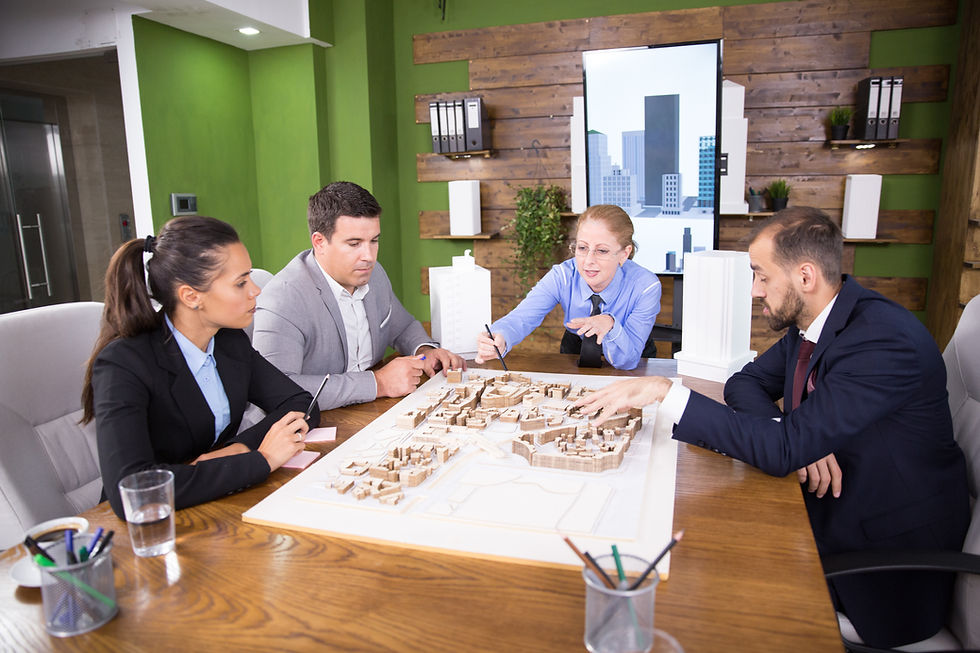
Real estate development begins long before construction starts. It begins with an idea.
A strong vision helps developers understand what a location needs, what buyers are looking for, and how a project can create something meaningful. Without that vision, development can easily become a process of repeating familiar formulas.
Today’s market demands more thoughtful solutions. People are changing the way they work, live, travel, and interact with their surroundings. Property developers who recognize these changes can create projects that feel relevant rather than outdated.
Looking Beyond Traditional Development
Traditional real estate often focuses heavily on numbers: land, construction costs, square meters, and sales prices. These factors remain important, but modern development requires a broader perspective.
Design, functionality, community, location, and long-term appeal can all influence the success of a project.
Diederik van Maren brings an entrepreneurial mindset to this process. His approach combines commercial awareness with creativity, allowing property development to become an opportunity for innovation rather than simply a construction exercise.
The Power of International Experience
A global background can provide valuable inspiration for real estate development. Different cities and regions have different approaches to architecture, lifestyle, hospitality, community, and urban planning.
Experiences in places such as London, Ibiza, Marbella, Israel, Lebanon, Curaçao, and Aruba have contributed to a broader perspective on property and lifestyle.
For Diederik van Maren, these international experiences help create a mindset that is open to new ideas. They also demonstrate that successful development can take inspiration from different cultures while still respecting the character of a local market.
Designing for Modern Homebuyers
Homebuyers today are more informed than ever. They compare locations, designs, amenities, energy performance, and future potential before making major decisions.
This means developers need to understand the people behind the purchase.
A home should support everyday life. It should provide practical spaces while also creating comfort and atmosphere. Good development considers how residents will use a property not just on moving day, but years into the future.
This people-focused approach can make a significant difference in how a development is perceived.
Meppel and a New Development Approach
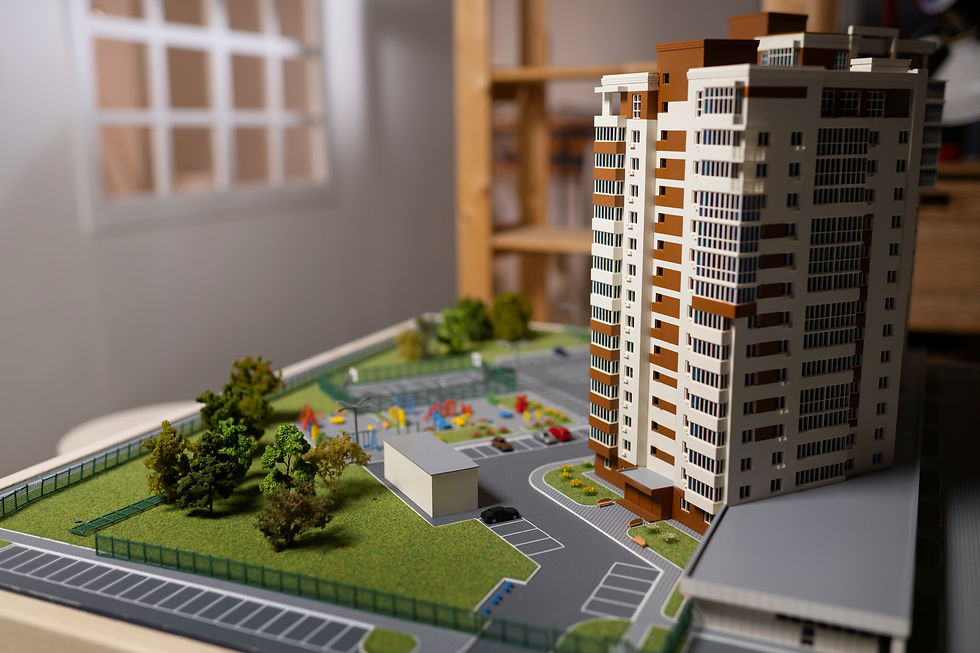
One example of this philosophy can be found in Meppel, where a 17-home residential project brings a fresh development concept to the Dutch market.
Rather than focusing only on the number of homes delivered, projects like this can consider how the development fits into its surroundings and responds to local demand.
Meppel also highlights an important trend in Dutch real estate. Opportunities are not limited to the country's largest cities. Smaller and well-connected locations can offer attractive alternatives for families, professionals, and people searching for a different pace of life.
Innovation Can Be Practical
When people hear the word innovation, they often imagine futuristic technology or dramatic architectural concepts. In real estate, however, innovation can be much simpler.
It can mean using space more intelligently. It can mean responding to buyer needs more carefully. It can mean creating a better relationship between homes and their surroundings.
Diederik van Maren approaches innovation as a way of finding better possibilities. Creativity becomes useful when it solves real problems and improves the experience of the people who eventually live in a development.
Building for the Future
The next generation of real estate will likely be shaped by flexibility, sustainability, design, technology, and changing lifestyles.
Remote and hybrid working have changed expectations around home environments. Buyers increasingly consider energy efficiency and long-term running costs. Communities and outdoor spaces are also becoming more important.
Developers who understand these trends can prepare projects for the future rather than simply responding to today's market.
Diederik van Maren reflects this forward-looking mindset by combining international inspiration with a practical understanding of property development.
Vision Creates Long-Term Value
A successful real estate project is not only measured by how quickly homes are sold. Its real value can also be seen in how well it serves residents, complements its location, and remains relevant over time.
That is why vision matters.
A developer with a clear perspective can connect market demand with creative ideas and practical execution. The result can be a project that feels purposeful instead of ordinary.
The Road Ahead
The future of real estate will belong to developers willing to question traditional approaches and explore new possibilities.
The industry needs people who can combine business knowledge with creativity, international experience with local understanding, and ambitious ideas with practical execution.
That is the opportunity ahead for modern property development.
Ultimately, the future of real estate does not start with bricks, concrete, or construction plans. It starts with a question: What could this place become?
When developers have the vision to ask that question—and the determination to turn the answer into reality—they can create more than properties. They can create spaces designed for the way people want to live tomorrow.

Comments